Last updated: June 11, 2026
Flat feet put your whole lower body on a collision course with overuse injuries. Without a natural arch to absorb shock, every step sends the ankle rolling inward – a motion called overpronation – and that torque travels straight up to your knees, hips, and lower back. The fix is not just any insole; it is a firm, structured orthotic insert that lifts and holds the arch where it belongs. Soft foam insoles feel plush for a day but collapse within weeks, leaving you with nothing but thin padding. This guide covers the best insoles for flat feet available right now, with honest notes on who each one suits best.
Flat feet and long shifts are a common pairing. If you are also on your feet all day at work, see our picks for the best insoles for standing all day.
Disclosure: Some links on this page are affiliate links. If you buy through them we may earn a small commission at no extra cost to you.
Best Insoles for Flat Feet: Quick Picks
| Spenco Total Support Max |  | Best Overall | Arch: Semi-rigid poly shell | Heel cup: 5-degree deep cup | Coverage: Full length | VIEW LATEST PRICE | Read Our Analysis |
| Spenco Rx Full Length | 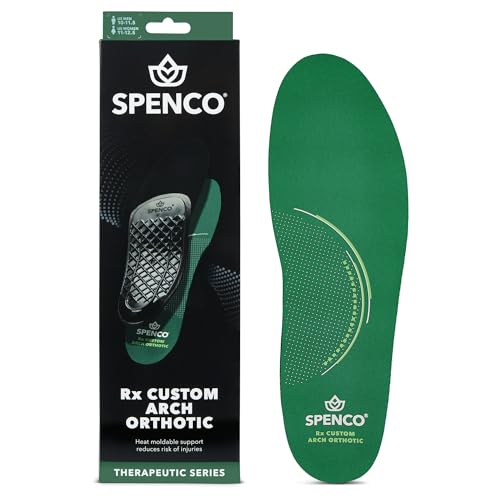 | Best for All-Day Wear | Arch: Firm contoured support | Coverage: Full length | Rearfoot: Stable heel cradle | VIEW LATEST PRICE | Read Our Analysis |
| Sof Sole Airr Orthotic | 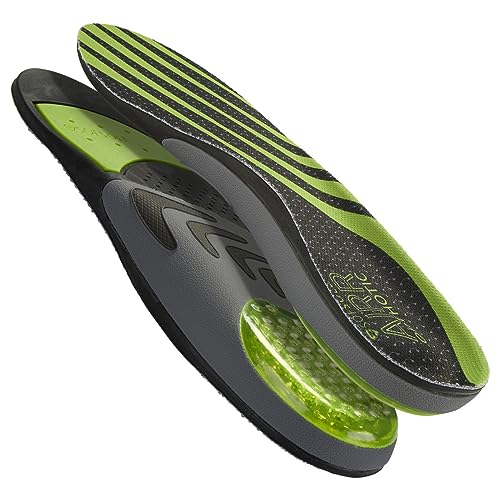 | Best for Running | Arch: Semi-rigid plate | Heel: Air chamber shock absorber | Top cover: Moisture-wicking | VIEW LATEST PRICE | Read Our Analysis |
| Spenco Rx 3/4 Length |  | Best for Dress Shoes | Arch: Polypropylene shell | Coverage: 3/4 length | Fit: Dress shoes and boots | VIEW LATEST PRICE | Read Our Analysis |
| Dr. Wolf Arch Support Inserts |  | Best Budget Pick | Arch: Curved semi-rigid shell | Heel cup: Moderate depth | Fit: Trim-to-fit multi-size | VIEW LATEST PRICE | Read Our Analysis |
| Sof Sole High Arch FIT Support |  | Best for Wide Feet | Arch: Semi-rigid molded EVA | Platform: Wide-foot design | Fit: Athletic and hiking boots | VIEW LATEST PRICE | Read Our Analysis |
| Spenco Lower Back Support Insole |  | Best for Back Pain | Arch: Three-point support system | Heel cup: Deep lateral shell | Fit: Trim-to-fit, sizes 5-11 | VIEW LATEST PRICE | Read Our Analysis |
- Best overall: Spenco Total Support Max
- Best full-length for daily use: Spenco Rx Orthotic Full Length
- Best for athletes: Sof Sole Airr Orthotic
- Best 3/4 length: Spenco Rx Orthotic 3/4 Length
- Best budget: Dr. Wolf Arch Support Inserts
- Best for wide feet: Sof Sole High Arch FIT Support
- Best for low-back pain: Spenco Lower Back Support Insole
Detailed Reviews
More Details on Our Top Picks
Spenco Total Support Max
The Spenco Total Support Max is the most complete insole in the Spenco lineup and a standout choice for arch support insoles for flat feet. It pairs a semi-rigid polypropylene shell with metatarsal padding and a deep 5-degree heel cup that physically stops your heel from rolling inward the moment weight hits it. The EVA top cover adds just enough cushioning without softening the structural foundation. Approved for FSA and HSA spending. Best for everyday walkers and those who stand all day, especially in work shoes or trainers with removable sock liners.
- Arch:Semi-rigid poly shell
- Heel cup:5-degree deep cup
- Coverage:Full length
Spenco Rx Full Length
The Spenco Rx Full Length is one of the most recommended orthotic insoles for flat feet by podiatrists for good reason. The full-length design replaces the factory liner in your shoe entirely, giving a consistent platform from heel to toe. The contoured arch support is firm enough to hold a collapsed arch without feeling intrusive, and the heel cradle provides stable rearfoot control. It runs the gamut from casual sneakers to work boots. A solid starting point if you are new to arch support insoles and want something you can move between multiple pairs of shoes easily.
- Arch:Firm contoured support
- Coverage:Full length
- Rearfoot:Stable heel cradle
Sof Sole Airr Orthotic
If you run or train with flat feet, the Sof Sole Airr Orthotic is built for you. The key differentiator is the air chamber in the heel that absorbs high-impact shock at landing – critical when you are overpronating across hundreds of foot strikes per mile. The semi-rigid arch plate underneath keeps the midfoot stable throughout the gait cycle, and the moisture-wicking top cover handles the sweat that comes with athletic use. It fits well in running shoes and cross-trainers. Runners dealing with shin splints or knee pain caused by flat-foot overpronation will notice the difference within a few sessions.
- Arch:Semi-rigid plate
- Heel:Air chamber shock absorber
- Top cover:Moisture-wicking
Spenco Rx 3/4 Length
Dress shoes, heels, and slim-fit boots do not have room for a full-length orthotic – that is exactly where 3/4 length insoles for flat feet earn their place. The Spenco Rx 3/4 length stops just behind the ball of the foot, leaving the toe box unrestricted while still delivering firm arch support and heel cupping. The same polypropylene shell as the full-length version keeps structure intact. Because it does not compete with the toe box of the shoe, it fits footwear that would otherwise reject an insert entirely. A practical choice for office workers who need support in formal footwear. If you need help finding the right shoe to pair with these, our guide to the best shoes for orthotics covers compatible styles.
- Arch:Polypropylene shell
- Coverage:3/4 length
- Fit:Dress shoes and boots
Dr. Wolf Arch Support Inserts
The Dr. Wolf insoles are a doctor-developed, budget-friendly entry into proper arch support. They use a curved, semi-rigid shell with a pronounced arch lift and a moderate heel cup – less aggressive than the Spenco options but more structured than any foam-based insert at this price. They trim to fit multiple sizes, which is handy for fitting different shoes. Best suited for people with mild to moderate flat feet who want to try orthotic insoles before committing to custom or premium options. Also suitable for plantar fasciitis sufferers – see our guide to the best insoles for plantar fasciitis for more detail.
- Arch:Curved semi-rigid shell
- Heel cup:Moderate depth
- Fit:Trim-to-fit multi-size
Sof Sole High Arch FIT Support
Wide-footed flat feet are notoriously hard to fit because standard insoles often sit too narrow to cradle the midfoot properly. The Sof Sole High Arch FIT Support has a wider platform that extends arch support to the edges of a broader foot without crowding the toe box. The FIT system uses a molded EVA base with a semi-rigid arch profile. It is labeled “high arch” but works well for neutral-to-flat arches that need lateral support across a wide footprint. Compatible with wide-fit athletic shoes and hiking boots. Check out our roundup of the best insoles for work boots if you need something for a wide steel-toe or safety boot.
- Arch:Semi-rigid molded EVA
- Platform:Wide-foot design
- Fit:Athletic and hiking boots
Spenco Lower Back Support Insole
Flat feet do not just cause foot pain – the overpronation chain reaction often ends in chronic lower back pain. Spenco’s Lower Back Support Insole is specifically engineered with a three-point arch system targeting rearfoot, midfoot, and forefoot simultaneously to realign the entire kinetic chain from the ground up. The deep heel cup and firm lateral shell prevent inward roll, while the breathable top layer handles all-day wear. It comes in a trim-to-fit design covering women’s sizes 5 through 11. Ideal for anyone whose flat feet have been contributing to hip or lumbar discomfort.
- Arch:Three-point support system
- Heel cup:Deep lateral shell
- Fit:Trim-to-fit, sizes 5-11
How to Choose Insoles for Flat Feet: Buying Guide
Arch Height and Rigidity
The single most important factor is arch height combined with shell rigidity. Flat feet need a medium to high arch profile made from a semi-rigid material like polypropylene, EVA hardshell, or carbon fiber. Fully flexible foam gives nothing for the foot to push against and will flatten underfoot within days. If you press the arch of an insole with your thumb and it collapses easily, it will collapse under your full body weight too.
Heel Cup Depth
A deep heel cup (at least 12mm on the sides) keeps the heel bone centered and reduces the inward tilt that drives overpronation. Look for cups described as “deep” or “5-degree” in the product specs. Shallow cups are fine for neutral feet but provide minimal benefit for flat feet.
Full-Length vs 3/4 Length
Full-length insoles replace the stock liner entirely and provide support across the whole foot – better for athletic shoes and boots with plenty of internal volume. Three-quarter length insoles slip behind the ball of the foot and work in narrower or dress footwear where a full insert would cramp the toes. Both deliver equivalent arch support; the difference is shoe compatibility. If you need support in multiple shoe types, keep both formats.
Material and Durability
Polypropylene shells last the longest and hold their arch shape best. EVA foam bases are lighter but compress over 6 to 12 months. Carbon fiber offers maximum rigidity for serious athletes but can feel harsh in casual footwear. For most flat-footed daily wearers, a polypropylene shell with an EVA or memory foam top cover is the optimal balance of support, weight, and comfort.
Sizing and Trim
Most insoles come in size ranges (e.g., Men’s 9-10.5) rather than individual sizes. If you are between sizes, size down – an insole that is slightly too small is preferable to one that folds up at the edges because it is too long. Many budget insoles offer trim-to-fit cutting lines; cut along the line one size smaller than your shoe size and test the fit before committing the trim.
Footwear Compatibility
Motion-control or stability running shoes already have built-in arch support; adding a high-arch insert can over-correct the foot and create new problems. In that case, use a low-arch or neutral insole for cushioning only. For neutral shoes, maximalist cushion shoes, and work boots, a structured flat-feet insert is appropriate. If you are unsure which shoes work best with orthotics, our guide to the best shoes for orthotics is a good companion read. For foot and ankle stability concerns alongside flat feet, see best shoes for ankle support.
How to Tell If You Have Flat Feet: The Wet Test
The simplest self-test is the wet test. Wet the sole of your foot, step firmly onto a piece of paper or a dry floor, and step off. Look at the footprint left behind. A normal arch leaves a clear gap along the inner edge where the arch lifts away from the surface. A flat foot leaves a nearly complete outline with little or no gap in the midfoot area. If your footprint is complete or almost complete, you have flat feet and will benefit from structured arch support insoles. If you see a very wide gap, you may have a high arch, which has different insole requirements.
Frequently Asked Questions
What insoles are best for flat feet?
The best insoles for flat feet combine a firm, structured arch support with a deep heel cup. Top picks include Spenco Total Support Max for daily wear, Sof Sole Airr Orthotic for athletic use, and Dr. Wolf Arch Support for a budget-friendly option. Look for orthotic-grade rigidity rather than soft foam cushions, which provide no structural support.
Do flat feet need arch support?
Yes. Flat feet lack the natural arch that distributes load during walking and running, causing the ankle to roll inward (overpronation). A firm arch support insole repositions the foot and reduces strain on the plantar fascia, Achilles tendon, knees, and lower back. Soft cushion-only insoles do not address the structural issue.
Are firm or soft insoles better for flat feet?
Firm insoles are better for flat feet. A semi-rigid or rigid shell actively holds the arch in place and controls overpronation. Soft foam insoles feel comfortable at first but compress quickly and provide no arch lift. If comfort is a concern, look for a firm base with a thin cushioning top cover rather than a pure-foam insole.
Can insoles fix flat feet?
Insoles manage flat feet rather than permanently correct them. They redistribute load and reduce pain while you wear them, which can prevent the progression of related issues like plantar fasciitis and shin splints. In children whose arches are still developing, structured support may encourage normal arch formation. Adults typically rely on orthotics long-term alongside foot-strengthening exercises.
How often should you replace flat feet insoles?
Most quality insoles for flat feet last 6 to 12 months with daily use. Signs it is time to replace them: the arch support has flattened, the heel cup has worn through, or you notice the return of pain you had before. High-activity users such as runners and nurses should replace insoles every 6 months. Rotating between two pairs extends the life of each.