Last updated: June 11, 2026
Your custom orthotics or OTC insoles are doing a job. The shoe underneath them either helps or fights that job. Most standard shoes have fixed, glued-in footbeds with shallow toe boxes and rigid heel counters that leave no real room for an insert to work properly. The shoes on this list are different: they have removable footbeds, enough depth to accept a full-length orthotic without pinching, and a structured heel to keep everything in place once you swap the insole out.
Below are 12 picks we’d actually recommend in 2026 – from trail runners to walking shoes – tested against the three traits that matter most for orthotic wearers: removable insole, wide enough toe box, and heel grip that doesn’t slip once the insert is in.
Key Takeaways: Look for a removable footbed (not glued down), a deep toe box that doesn’t compress your orthotic, and a firm but not rigid midsole. Half a size up in length is often smarter than going wide – it preserves heel lock while making room for the insert’s extra volume. If you also deal with flat feet or plantar fasciitis, check our separate guides on the best insoles for plantar fasciitis and best shoes for bad knees.

| Best Shoes for Orthotics |  | Top Pick | Fit: Roomy, orthotic-friendly | Platform: Wide and stable | Upper: Breathable engineered mesh | VIEW LATEST PRICE | Read Our Analysis |
| ASICS Gel-Venture 11 |  | Best Runners | Cushion: Rearfoot GEL + AMPLIFOAM PLUS | Sockliner: OrthoLite Hybrid Max Lite | Fit: Men’s runs small | VIEW LATEST PRICE | Read Our Analysis |
| ASICS Gel-Venture 10 |  | Best Custom | Outsole: Trail-specific pattern | Cushion: Rearfoot GEL + AMPLIFOAM | Upper: Breathable mesh | VIEW LATEST PRICE | Read Our Analysis |
| Vionic Walker |  | Best Walkers | Orthotic: Removable, podiatrist-developed | Upper: Full-grain leather | Closure: Lace-up | VIEW LATEST PRICE | Read Our Analysis |
| Rose Mary Jane |  | Best Women's Dress Shoes | Plus Fitting System – Two Removable Footbeds | Removable, Moldable, Dual-density insert with | Ultra lightweight and Dual-density | VIEW LATEST PRICE | Read Our Analysis |
| Cole Haan Lenox Hill Cap Oxford |  | Best Men's Dress Shoes | Style: Cap-toe oxford | Cushion: GRANDFOAM | Upper: Leather | VIEW LATEST PRICE | Read Our Analysis |
| Saucony Cohesion 17 |  | Best for Athletes | Cushion: VERSARUN | Offset: 12mm | Upper: Breathable mesh | VIEW LATEST PRICE | Read Our Analysis |
| adidas Tech Response |  | Best Golf Shoes | Lightweight, breathable, stable feel | Lace closure | Textile and synthetic upper | VIEW LATEST PRICE | Read Our Analysis |
| EQW Kids Wide Sneakers |  | Best for Kids | Insole: Removable, orthotic-compatible | Fit: Wide toe box | Midsole: Shock-absorbing EVA | VIEW LATEST PRICE | Read Our Analysis |
| New Balance 608 V5 | 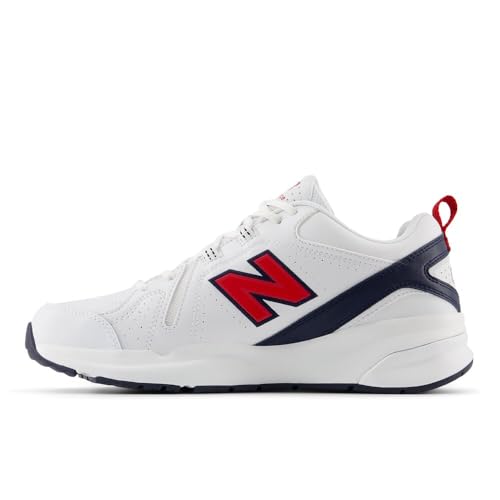 | Best Cushioning | ABZORB midsole technology absorbs impact | A suede upper gives these new balance 608 men | Lightweight injection-molded EVA foam in the | VIEW LATEST PRICE | Read Our Analysis |
| Nike Revolution 8 |  | Best Comfort | Midsole: Foam, rocker geometry | Upper: Breathable mesh | Outsole: Forefoot flex grooves | VIEW LATEST PRICE | Read Our Analysis |
More Details on Our Top Picks
Best Shoes for Orthotics
12 Best Shoes for Orthotics – Best Reviews
We compared manufacturer specs and listings to find shoes that work well with orthotics.
Saucony Echelon 11 – Best Overall
If it’s a solid pair of trainers with all-around cushioning that you’re looking for, then take a look at one of the best shoes for orthotics out there: Saucony Echelon 11.
Saucony builds it with responsive cushioning for shock absorption and lasting comfort, on a wide, stable platform that suits neutral runners and fitness walkers.
Saucony describes the fit as spacious and orthotic-friendly, with a roomy toe box that accommodates wider feet and custom orthotics.
A breathable engineered mesh upper with traditional lacing keeps the fit adjustable, and a high-abrasion rubber outsole grips on roads, sidewalks and gym floors.
You’ll find these shoes very useful if you’re one of those with wider feet who need room to spread their toes.
Saucony positions it for running, walking, work and everyday wear.
Saucony also makes the Echelon for women, and it is our top pick for the best women’s shoes for orthotics.
You can find it here: Saucony Women’s Echelon 8.
Our Verdict
Our verdict is that the Saucony Echelon 11 is a great option for orthotics users who need a cushioned, spacious shoe: Saucony designs it to accommodate custom orthotics and wider feet.
As with any shoe, try it with your own orthotic in place before committing to the fit.
- Fit:Roomy, orthotic-friendly
- Platform:Wide and stable
- Upper:Breathable engineered mesh
ASICS Gel-Venture 11
For runners who want a cushioned shoe to pair with orthotics, the ASICS Gel-Venture 11 is our best alternative to the Echelon 11.
Rearfoot GEL technology in the midsole absorbs shock at footstrike, and AMPLIFOAM PLUS cushioning gives a softer ride than ASICS’ standard AMPLIFOAM. An OrthoLite Hybrid Max Lite sockliner adds cushioning and moisture management under a breathable mesh upper.
ASICS notes that the men’s version runs small, which matters with an orthotic taking up extra room, so check the size chart.
Women can look at the ASICS Women’s Gel-Venture 11.
Our Verdict
Our verdict is that the ASICS Gel-Venture 11 is a solid, well-cushioned running shoe for orthotic users, with rearfoot GEL and a soft AMPLIFOAM PLUS midsole.
- Cushion:Rearfoot GEL + AMPLIFOAM PLUS
- Sockliner:OrthoLite Hybrid Max Lite
- Fit:Men’s runs small
ASICS Gel-Venture 10
If you want a trail-ready shoe to wear with orthotics, the ASICS Gel-Venture 10 is a good choice.
It has a trail-specific outsole pattern that improves grip on various surfaces, rearfoot GEL technology for impact absorption at footstrike, and AMPLIFOAM cushioning in the midsole.
A mesh upper keeps the shoe breathable on longer outings.
There is also an ASICS Women’s Gel-Venture 10; ASICS notes the women’s version runs small.
Our Verdict
Our verdict is that the ASICS Gel-Venture 10 is a decent choice for orthotic users who walk or run on mixed surfaces and want rearfoot GEL cushioning with a trail-specific outsole.
- Outsole:Trail-specific pattern
- Cushion:Rearfoot GEL + AMPLIFOAM
- Upper:Breathable mesh
Vionic Walker
The Vionic Men’s Walker is a classic walking shoe from a brand built around orthotic support, which is why it makes this list.
Inside is a podiatrist-developed biomechanical orthotic that is removable, so you can swap in your own custom orthotic. Its anti-bacterial top cloth helps control foot odor.
The upper is premium full-grain, water-repellent leather with an action lacing system, over a breathable polyester mesh liner with a PU foam base that reduces friction.
For women, Vionic makes the Vionic Women’s Walker Classic, with full-grain water-resistant leather and a cushioned collar and tongue.
Our Verdict
Our verdict is that the Vionic Walker is a good option for people who want a supportive, conventional-looking walking shoe with a removable orthotic they can replace with their own.
- Orthotic:Removable, podiatrist-developed
- Upper:Full-grain leather
- Closure:Lace-up
Rose Mary Jane
Rose Mary Jane is one of the favorite options among the ladies in terms of the best shoes for orthotics.
We love their classic look and versatility, which lets you wear them with various outfits.
They come in sizes 5 to 13, so finding your perfect fit shouldn’t be an issue.
The hand-stitched soles provide good grip and shock absorption while also keeping your feet cool and fresh.
These shoes are sturdy and long-lasting – they should last you up to five years with regular use.
Drew Shoe’s Rose Mary Jane is one of the best dress shoes for orthotics available on the market today.
If you are looking for comfortable dress shoes that can withstand several hours of standing or walking, then Rose Mary Jane might just be what you need!
Our Verdict
Our verdict is that the Rose Mary Jane shoes are a good option for women who need orthotics and want to look stylish. They have a classic design that can match different outfits and occasions. They also have a hand-stitched sole that provides good traction and breathability.
However, they may not be suitable for everyone, as they may run small or narrow, or feel too stiff or hard for some feet. They are also on the pricey side, so you may want to consider other alternatives if you are on a tight budget.
- Plus Fitting System – Two Removable Footbeds
- Removable, Moldable, Dual-density insert with
- Ultra lightweight and Dual-density
Cole Haan Lenox Hill Cap Oxford
The Cole Haan Lenox Hill Cap Oxford is our pick for men who need a dress shoe for work and formal occasions.
It is a lightweight, formal cap-toe oxford, made with leather from Leather Working Group tanneries, and Cole Haan describes it as a modern update to the classic oxford, re-engineered for comfort.
Cushioning comes from Cole Haan’s GRANDFOAM technology, which the brand describes as adapting to every step for all-day support.
Dress shoes are usually the hardest fit with orthotics, so take your insert with you and check the depth before committing.
Our Verdict
Our verdict is that the Cole Haan Lenox Hill Cap Oxford is a good choice for men who need a classic dress shoe with modern GRANDFOAM cushioning for long days in formal wear.
- Style:Cap-toe oxford
- Cushion:GRANDFOAM
- Upper:Leather
Saucony Cohesion 17
Like all Saucony products, the Saucony Women’s Cohesion 17 is designed with active wearers in mind, and it is our pick for athletes who use orthotics.
VERSARUN cushioning absorbs impact and reduces pressure for comfortable daily movement, and the 12mm offset suits wearers who prefer a traditional heel-to-toe drop.
A light, breathable mesh upper keeps feet cool, and the durable outsole is made to keep up with an active lifestyle.
Our Verdict
Overall, the Saucony Cohesion 17 is a comfortable, cushioned everyday running shoe for women who want an affordable athletic option to pair with their orthotics.
- Cushion:VERSARUN
- Offset:12mm
- Upper:Breathable mesh
adidas Tech Response
Golfers with foot pain often look to orthotic inserts as a solution.
Traditional inserts, however, can cause discomfort when worn with sneakers because they don’t work with footwear.
The Tech Response from Adidas has a design that specifically addresses these concerns.
That’s why it’s our ultimate choice for the best golf shoes for orthotics and the best Adidas shoes for orthotics.
However, many golfers found this one still falling short in giving them enough arch support.
If you shop for shoes tailored explicitly to your orthotic needs and want an affordable option under $100, these shoes will be right up your alley.
Our Verdict
Our verdict is that the Tech Response from Adidas is a good option for golfers who need orthotic inserts, but not the best one. The shoes are affordable, durable, and stylish, but they may not offer enough support or comfort for some users. If you are looking for a more customized fit and feel, you may want to consider other alternatives.
- Lightweight, breathable, stable feel
- Lace closure
- Textile and synthetic upper
EQW Kids Wide Sneakers
Parents know that it is important to find comfortable shoes that support their kids’ feet. For children who wear orthotics, we like the EQW Kids Wide Sneakers.
The cushioned insole is removable, which the listing notes makes it compatible with custom orthotics, as well as easy to clean or replace.
A wide toe box lets toes spread without squeezing, and a breathable mesh-jacquard upper helps keep feet dry. Underneath, a flexible EVA midsole absorbs impact from running and jumping, and a non-slip outsole grips on dry and wet surfaces.
Our Verdict
Our verdict is that the EQW Kids Wide Sneakers are a practical option for kids who need room for an orthotic: a removable insole, a wide toe box and a shock-absorbing EVA midsole.
- Insole:Removable, orthotic-compatible
- Fit:Wide toe box
- Midsole:Shock-absorbing EVA
New Balance 608 V5
New Balance designed their 608 V5 Cross Trainers to give casual and experienced runners a lot of cushioning and comfort on hard surfaces, especially if you have an orthotic insert in your shoe.
This shoe does have some stability in it, but if stability is your priority, the Saucony Echelon 11 with its wide, stable platform is the better pick.
This model has enough support, though for mild pronators who don’t need extra-supportive shoes.
For a super cushioned option that is supportive enough for mild pronators with orthotic needs, then we recommend looking at New Balance 608 V5 Running Shoe.
Who knows?! — You might just find these shoes the best New Balance shoes for orthotics.
And it turns out that the shoe manufacturer made a women’s version of this model, and it looks fantastic too!
So check it out here: New Balance Women’s 608 V5.
Our Verdict
Our verdict is that the New Balance 608 V5 Cross Trainers are a good option for runners who need a lot of cushioning and comfort on hard surfaces, and who have orthotic inserts in their shoes. They are not the most stable or supportive shoes, but they are adequate for mild pronators who do not need extra correction.
They are also durable and stylish. However, they may not be the best choice for runners who prefer a lighter, more flexible, or more breathable shoe.
- ABZORB midsole technology absorbs impact
- A suede upper gives these new balance 608 men
- Lightweight injection-molded EVA foam in the
Nike Revolution 8
If you want a Nike shoe to wear with orthotics, the Nike Men’s Revolution 8 is a comfortable, everyday option.
The mesh upper is breathable, and the foam midsole uses comfort-focused rocker geometry for a smooth ride. Flex grooves in the forefoot of the outsole add flexibility.
Touch points at the heel and tongue make the shoe easy to take on and off.
Try it with your orthotic in place before committing, since fit with an insert varies from foot to foot.
Our Verdict
Our verdict is that the Nike Revolution 8 is a good everyday sneaker for orthotic users who want a light, cushioned Nike with a smooth rocker-shaped midsole.
- Midsole:Foam, rocker geometry
- Upper:Breathable mesh
- Outsole:Forefoot flex grooves
Buyer’s Guide: How to Pick Shoes That Work With Your Orthotics

Orthotics only work when the shoe lets them do their job. A thin-soled fashion sneaker or a shoe with a glued-in footbed will fight your insert from day one. Here’s what to check before you buy.
Removable Footbed
This is the single most important feature. Pull the tab or lift the insole – if it doesn’t come out, move on. Glued footbeds leave no space for your orthotic, and stacking two insoles creates the exact pressure points orthotics are meant to prevent. Most running shoes and many walking shoes pass this test; dress shoes and fashion sneakers usually don’t.
Toe Box Depth and Width

An orthotic raises your foot slightly inside the shoe. If the toe box is shallow, your toes will press into the upper by the end of the day. You need vertical depth as much as width. Look for brands that list toe box height in their specs (New Balance, Brooks, and Hoka tend to be generous). If you have a wider foot, brands like New Balance and ASICS offer dedicated wide (2E/4E) fits.
Heel Counter and Stability

A firm heel counter keeps your orthotic from shifting as you walk. Squeeze the back of the shoe – it should resist the pressure rather than collapse inward. Shoes that are soft and floppy at the heel let the insert slide with every step, which cancels most of the correction. Structured heel cups and medial post designs (common in stability and motion-control shoes) help here.
Midsole and Cushioning

Your orthotic is already correcting alignment – you don’t need a maximalist shoe stacked on top of it. A neutral, moderately cushioned midsole gives your insert room to function without adding instability. If you need high cushioning (for standing all day on hard floors, for example), look for it in the midsole rather than the footbed, so the footbed remains easy to remove.
Fit: Go Half a Size Up
Adding an orthotic increases the effective volume inside the shoe. Most people find going half a size longer – rather than wider – preserves heel lock while making room. Try on the shoe with your actual orthotic in place before buying, not just the stock insole. Your heel should sit snugly, and you should have about a thumb’s width at the toe.
Activity Match
Running shoes need extra cushioning to absorb impact. Walking shoes prioritize a smooth heel-to-toe transition. Work or standing shoes need a firmer base that holds up over an 8-hour shift. Choose the shoe type that fits your primary activity – your orthotic’s effectiveness depends on a stable platform underneath it. Your podiatrist can confirm which category is right for your specific insert. If plantar fasciitis is part of your picture, our plantar fasciitis insole guide is worth reading alongside this one.
Frequently Asked Questions
What is an orthotic insert?

An orthotic insert is a removable insole – either custom-made by a podiatrist or bought over the counter – that corrects how your foot sits and moves inside the shoe. They address issues like flat arches, overpronation, heel pain, and pressure point problems. The shoe itself doesn’t fix those issues; it just provides the right environment for the orthotic to work. If your shoes have poor heel structure or a fixed footbed, even a high-quality custom orthotic will underperform.
Do I need to buy larger shoes for orthotics?

Not necessarily larger – but probably different. Going too big creates new problems: your foot slides forward, your heel lifts, and you lose the correction the orthotic is supposed to deliver. A half-size up in length is usually enough. If you already own shoes that feel just slightly too snug with your insert, try pulling the stock footbed out first – that alone can free up 3-5mm of depth. Still too tight? Go half a size up, not a full size. Always fit with the orthotic in place.
How do I know if a shoe will fit my orthotic?
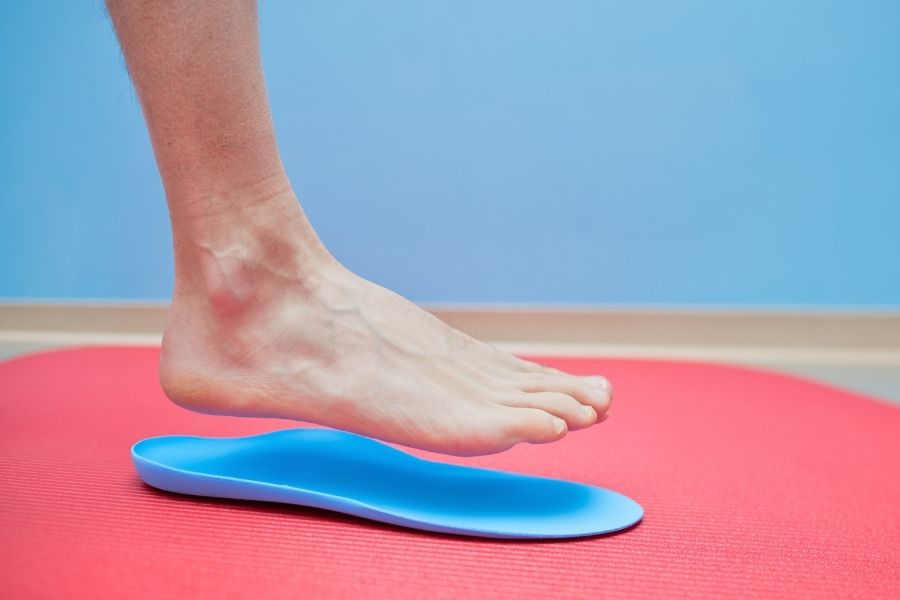
Three quick checks: (1) Pull out the stock insole – if you can’t, walk away. (2) Place your orthotic flat inside the empty shoe and see if the heel sits flush without the sides bowing outward. (3) Put the shoe on with the orthotic and check for toe compression and heel slip. Closed-toe shoes with at least a medium heel collar work best – backless shoes and flat mules can’t keep an insert from sliding. If you also deal with back pain, see our guide to best shoes for lower back pain for more on heel height and alignment.
Should my running shoes have orthotics in them?

If a podiatrist has prescribed them or recommended them for a specific condition – yes. Running multiplies the force on your feet with every stride, so untreated overpronation or arch collapse gets worse faster. Most running shoes already have a removable insole and a deep enough footbed to accommodate a standard orthotic. Just make sure the midsole is neutral or stability-grade rather than maximalist – too much foam can make the platform unstable once your orthotic is added on top. Use your orthotics for the condition they address; don’t wear them prophylactically if your feet feel fine without them.
Do I remove the shoe’s insole before inserting my orthotic?
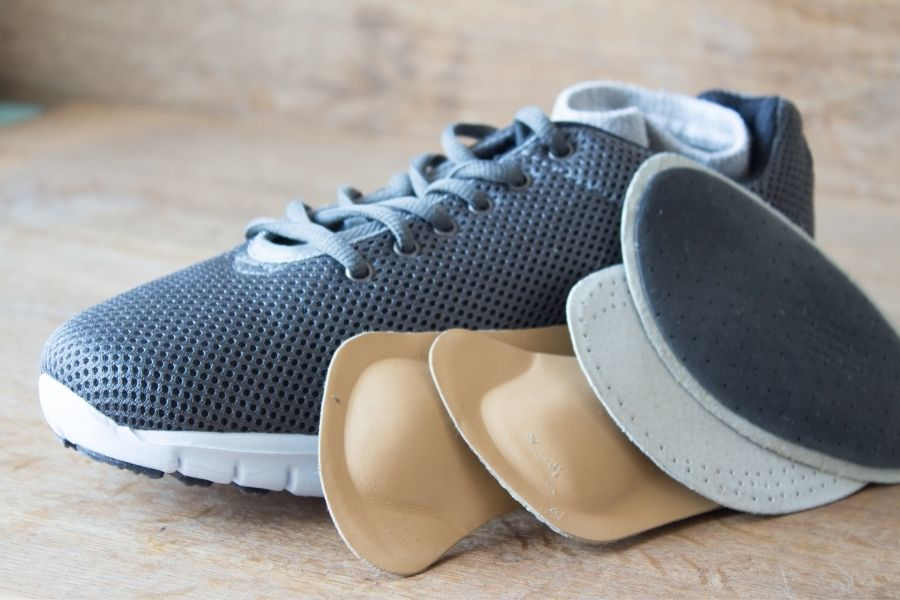
Yes – remove the stock insole first. Running the orthotic on top of the factory footbed doubles the padding layer, raises your foot higher than intended, and often causes heel slip. The exception is very thin OTC arch sleeves or 3/4-length insoles, which some people layer under the stock pad for light support – but full-length orthotics always replace, not supplement, the existing footbed. If your orthotic is a 3/4-length design, the front portion of the stock footbed can stay in the toe box.
What are the best shoes for orthotics if I have plantar fasciitis?
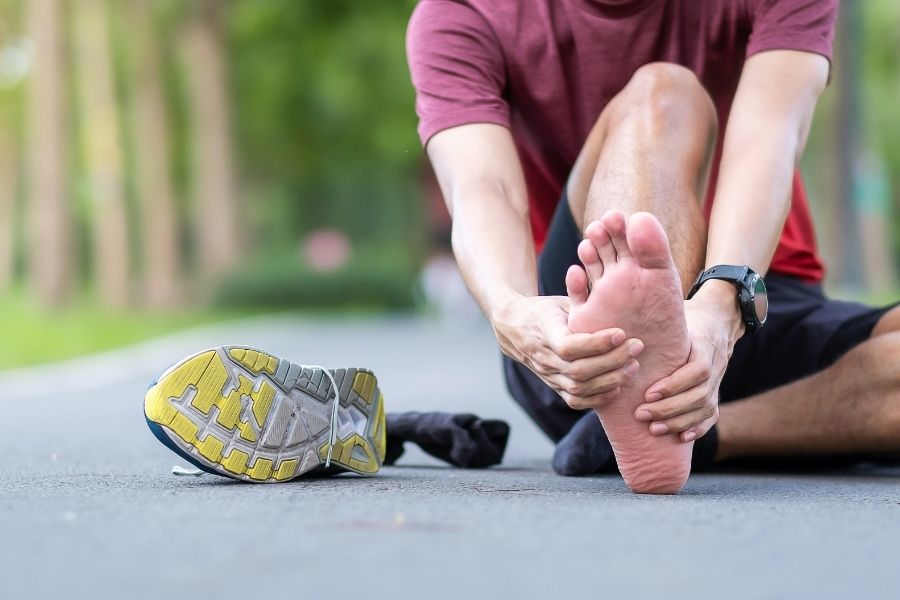
Plantar fasciitis responds well to a combination of heel cushioning, arch support, and a slight heel drop (8-12mm) that takes tension off the fascia. Shoes from the Saucony Echelon, ASICS Gel-Venture, and New Balance 928 families all work well with a plantar fasciitis-specific orthotic. The orthotic handles arch support and heel cup depth; the shoe needs to provide cushioning underfoot and keep the insert from rocking side to side. For a full breakdown of what insoles work best for this condition, see our best insoles for plantar fasciitis guide.
Conclusion
The right shoe for orthotics isn’t the most cushioned one or the most expensive one – it’s the one that has a removable footbed, enough toe box depth to accept your insert without squeezing, and a firm heel counter to keep everything in place. Every shoe on our list meets those basics; the best fit for you depends on your activity and whether you need extra width or a specific stability level. Wearing a full ankle-foot orthosis rather than an insert? See our best shoes for AFO braces for shoes with the extra depth a brace needs.
If you’re starting from scratch, the Saucony Echelon 11 is our top pick for most orthotic users: a roomy, orthotic-friendly fit on a wide, stable platform. Want an alternative? The ASICS Gel-Venture 11 is a well-cushioned option with rearfoot GEL technology. Either way, try them with your actual orthotic before committing to the fit.
For related reading: if back or knee pain is part of your picture, see our guides on best shoes for bad knees and best shoes for lower back pain – proper footwear and orthotics work together, not separately.
1 comment